


Slow travel Montreal, Sainte-Foy, Moncton, Halifax
Montreal to Halifax by Train: A Slow 3-Day Ocean Itinerary
Plan a slow Montreal to Halifax train trip on VIA Rail's Ocean with this car-free 3-day itinerary, stopover logistics, and realistic travel comparisons.
By Dawdle 8 min read
Steel rails clatter rhythmically as the skyline of downtown Montreal fades into the wide industrial flatlands of Saint-Hyacinthe and the low ridges of the Montérégie. A Montreal to Halifax train trip takes you from urban Quebec through the dense forests of northern New Brunswick to the Atlantic coast, following one of the oldest continuously operated passenger rail corridors in North America.
This journey suits travellers who prefer looking out of a wide picture window over navigating airport security lines, and who enjoy the steady pace of regional transport. It does not suit travellers in a hurry, or those who expect the precise timekeeping of Japanese bullet trains. This guide breaks the classic run of VIA Rail's Ocean into a three-day overland plan, covering connections from Ontario, stopover logistics, walkable neighbourhoods near each station, and the trade-offs in cost and carbon compared to flying.
In brief
A Montreal to Halifax train trip on VIA Rail's Ocean covers over 1,300 kilometres of eastern Canadian geography across roughly one full day of continuous travel, or three unhurried days if you break the journey to explore historic river towns and Maritime railway junctions without a car.
Quick facts
- Region
- Quebec, New Brunswick, and Nova Scotia
- Best time to visit
- Late spring through autumn for milder weather, or winter for quiet, snowy landscapes
- Time needed
- 3 days for a relaxed trip with stopovers
- Getting there
- VIA Rail corridor trains connect Toronto and Ottawa directly to Montreal Central Station
- Getting around
- Walking, local public buses, and occasional regional shuttles from passenger rail stations
- Budget
- Moderate to high depending on whether you choose economy seating or a private sleeper cabin
- Good for
- Solo travellers, couples, train enthusiasts, and low-carbon explorers
Getting to Montreal without a car
Before boarding the eastern train, travellers arriving from Ontario can reach Montreal entirely by rail.
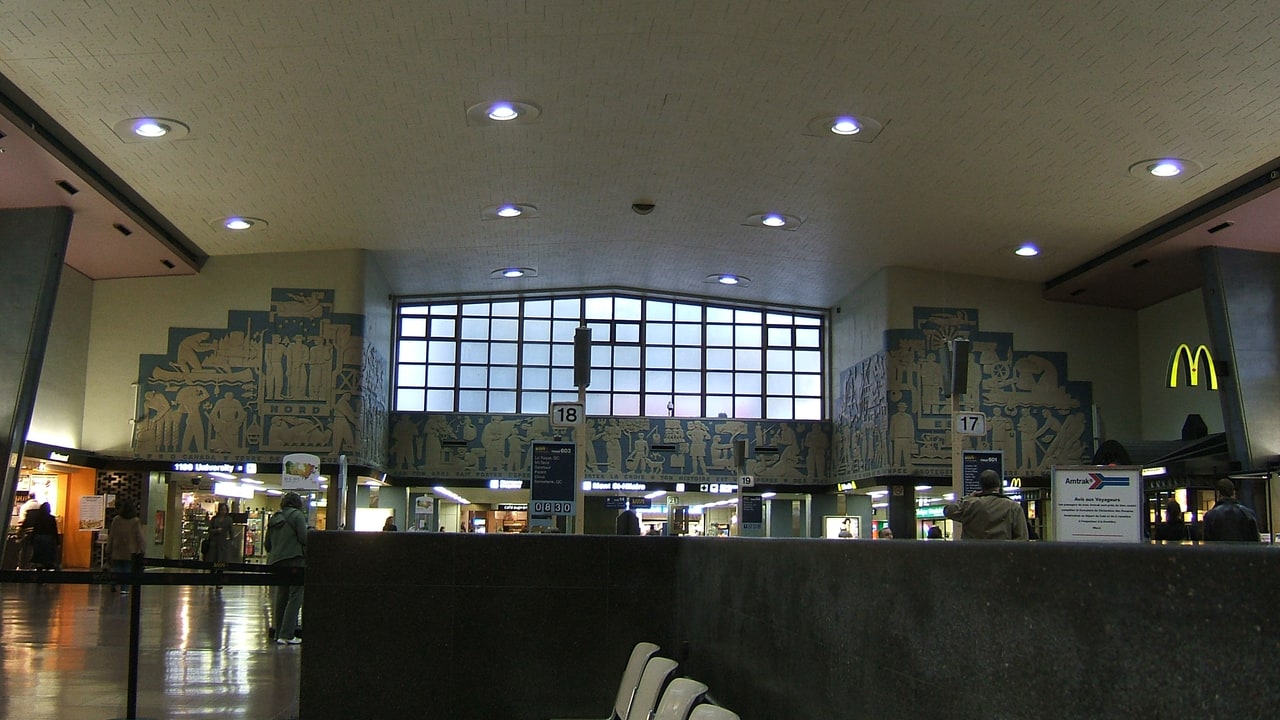
- From Toronto, take a VIA Rail Corridor train departing from Union Station along Lake Ontario to Montreal Central Station (Gare Centrale). Multiple departures run daily, taking an average of 5 hours and 10 minutes.
- From Ottawa, take a VIA Rail Corridor train departing from Ottawa Station directly eastward into Montreal Central Station, running several times per day with a journey time of roughly two hours.
- Once you arrive at Montreal Central Station, you are already at the departure platform for the Ocean. The station sits directly beneath the downtown core, connected to the underground pedestrian network and the Bonaventure Metro station on the Orange Line.
Getting there: If you are connecting from western points, check recommended connection times with VIA Rail between your incoming train and the departure of the Ocean, as freight interference on shared tracks can create delays on regional routes.
Planning your Montreal to Halifax train trip itinerary
Taking the Ocean straight through takes the better part of a full day (check current schedules with VIA Rail), but splitting the journey across multiple days allows you to sleep in a stationary bed, support local economies along the line, and see landscapes that night runs usually hide. Because the Ocean does not offer an open hop-on hop-off ticket, breaking your journey means booking separate point-to-point tickets for each segment.

Before booking, consult the current Montreal to Halifax train schedule on VIA Rail's portal to confirm weekly operating days and seasonal departures. Because of this tri-weekly schedule, disembarking at an intermediate stop usually requires staying at least two nights before the next train arrives, unless you connect via regional corridor trains or regional buses. Studying the official Montreal to Halifax train map helps you pick your stops along the Saint Lawrence River and Chaleur Bay.
Day 1
Montreal to the Saint Lawrence south shore
Board the train at Montreal Central Station in the late morning or early afternoon, depending on the seasonal timetable. As the train crosses the Saint Lawrence River over the Victoria Bridge, you get an open view of the port basins and the city skyline before heading northeast across the farmland of the south shore.
Your first stop is Sainte-Foy or Quebec City. Sainte-Foy station serves as the main through-station for the Ocean, located west of the historic core. From the platform, you can take a local RTC city bus directly into central Quebec City or stay along the quieter riverfront at Lévis across from the upper town. Spend the late afternoon walking the narrow stone streets of the Petit-Champlain district or the paved riverside paths along the Saint Lawrence. Eat an early dinner of regional Quebec fare, such as warm pea soup and crusty tourtière, at an independent neighbourhood bistro within walking distance of the bus line.
Breaking this rail journey into daylight segments turns a passive transit day into an unhurried cross-section of eastern Canadian rail heritage and small-town life.
Day 2
Across the Matapédia Valley into New Brunswick
Rejoin the route according to the Montreal to Halifax train timetable, checking current operating days eastward from Sainte-Foy directly with VIA Rail before you travel. The tracks curve eastward along the southern bank of the widening Saint Lawrence estuary, passing stone farmhouses and silver church spires before bending south into the rugged Matapédia Valley.
The railway follows the curves of the Restigouche and Matapédia rivers, famous for wild Atlantic salmon runs, cutting through steep, forested hills where roads are few. By late evening, the train crosses the provincial border into northern New Brunswick and pulls into Moncton.
Moncton Station sits within walking distance of downtown's Main Street. After checking into a downtown guesthouse, stretch your legs along the Petitcodiac River trail to observe the brown tidal waters shaped by the Bay of Fundy. For dinner, head to a local pub or diner near Main Street for fresh Atlantic seafood or Acadian meat pie.
Day 3
Moncton to the Halifax terminal
The final stretch runs southeast through the Tantramar Marshes, across the narrow Isthmus of Chignecto, and into Nova Scotia. Broad tidal mudflats, wooden barns, and open salt marshes give way to the forested interior of northern Nova Scotia as the train approaches Truro and runs alongside the Bedford Basin.
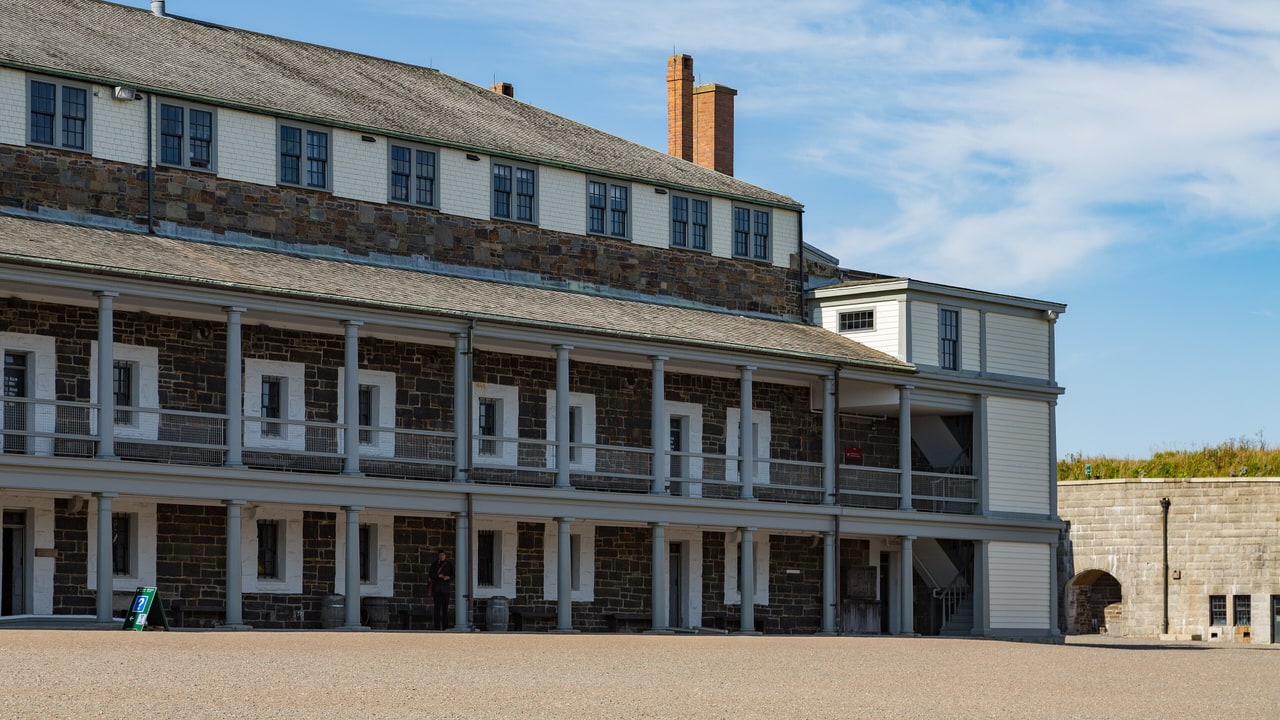
The train arrives at Halifax railway station on Hollis Street in the late afternoon. The stone terminal shares a roof with the historic station hotel and sits a short stroll from the Halifax Seaport, the maritime boardwalk, and local passenger ferries crossing the harbour to Dartmouth. Spend the evening exploring the historic waterfront, sampling Atlantic chowder or local fish and chips at an independent harbour restaurant.
Where to stay
Staying near the stations keeps this trip entirely walkable and removes the need for rental cars or expensive private transfers.
- Montreal: Choose modest independent hotels or rental apartments in Downtown Montreal or near the Bonaventure Metro station. This allows you to walk through the underground concourse to the platform without braving winter cold or dragging bags across icy pavements.
- Quebec City / Sainte-Foy: If disembarking at Sainte-Foy, choose a local hotel along the primary transit corridor or take the direct municipal bus into the historic Saint-Roch neighbourhood, where small independent boutique inns sit near local markets.
- Moncton: Look for small hotels or bed-and-breakfasts located along Main Street or Queen Street.
- Halifax: The South End near the train terminal offers guesthouses, historic heritage inns, and boutique hotels clustered along Hollis, Barrington, and Morris streets, placing you within easy walking distance of grocery stores, the public library, and the harbour.
Before you go
Planning an overland journey requires looking realistically at timetables, budget differences, and track conditions.
| Transport option | Total travel time | Typical cost range (CAD) | Booking flexibility |
|---|---|---|---|
| Train (The Ocean, economy) | Moderate; book well ahead for summer | ||
| Train (The Ocean, sleeper cabin) | Low; sleeper berths sell out months in advance | ||
| Commercial flight (YUL to YHZ) | High; multiple flights depart daily |
Taking the train is significantly slower than flying, and booking a private sleeper berth often costs more than an economy airline ticket. What you get in return is a dramatic reduction in operational carbon emissions, generous personal space, and the chance to observe hundreds of kilometres of river valleys, small rail towns, and tidal flats that passenger planes overfly at ten thousand metres.
Pack layers, comfortable walking shoes, a water bottle, and a compact power bank, as older rolling stock can occasionally have intermittent power outlet availability.
Key takeaways
- The Ocean connects Montreal Central Station to the Halifax terminal, running through eastern Quebec and New Brunswick.
- Breaking the journey into three days allows you to stay in walkable regional hubs like Quebec City and Moncton without needing a car.
- Rail travel produces a fraction of the greenhouse gas emissions of short-haul domestic flights along the same corridor.
- A sleeper cabin must be booked months in advance, particularly for peak summer and autumn foliage dates.
Before you go
Slowing down to travel across eastern Canada on steel rails turns the distance between Quebec and the Atlantic into something tangible, measured in winding riverbanks, salt marshes, and station platforms. When you are ready to assemble your next low-carbon Canadian adventure, plan your trip with Dawdle.
Questions travellers ask
Does Amtrak go to Nova Scotia?
No, Amtrak does not operate in Canada beyond cross-border routes into Montreal, Toronto, and Vancouver. Travel within eastern Canada and out to Nova Scotia is operated by VIA Rail on domestic track networks.
Does Amtrak go to Halifax Nova Scotia?
Amtrak does not go to Halifax. American travellers wishing to reach Nova Scotia by train can ride an Amtrak service to Montreal Central Station, then transfer directly onto VIA Rail's Ocean passenger service to Halifax.
Can you complete this route year-round?
Winter trips offer striking views of frozen rivers and snowdrifts, though winter storms can occasionally lead to operational delays.
Sources
Fares, timetables and rules change. We checked these pages; confirm details with them before you travel.
- Travel by train from Toronto to Montréal | VIA Rail · official source · checked 2026-11-13
- Travel by train from Ottawa to Montréal | VIA Rail · official source · checked 2026-11-13
- Train Schedule: Montréal-Halifax | VIA Rail · official source · checked 2026-11-13
- Montréal to Halifax train – The Ocean | VIA Rail · official source · checked 2026-11-13
- Arrivals and departures | VIA Rail · official source · checked 2026-11-13
- Train Schedule: Montréal-Halifax | VIA Rail · official source · checked 2026-11-13