

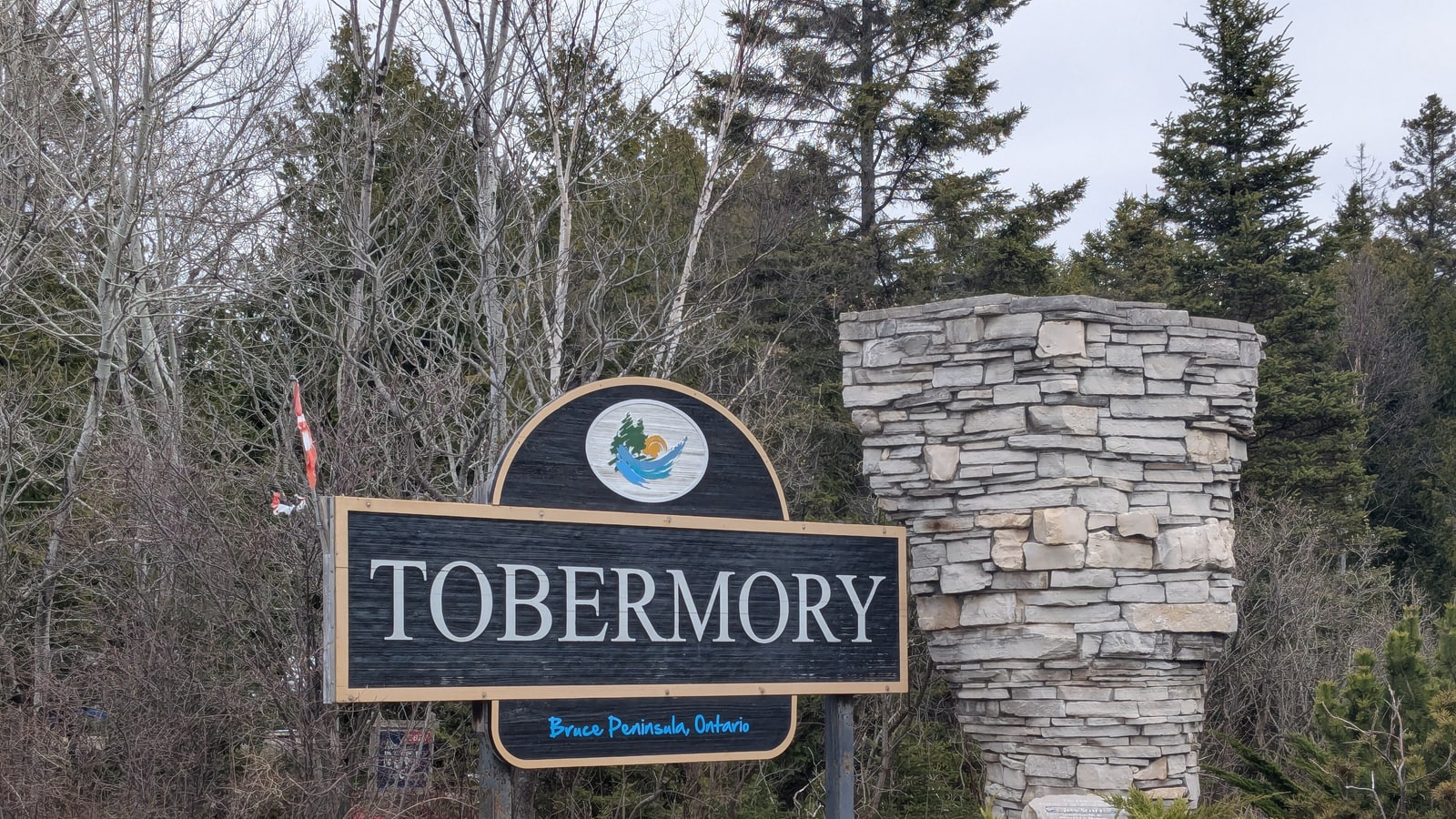
Slow travel Tobermory, Bruce Peninsula National Park, Flowerpot Island
How to Get to Tobermory Without a Car: Transit, Shuttles and Ferries
Travel car-free from Toronto to Tobermory using Parkbus, local shuttles, and passenger ferries with this complete transit and walking guide.
By Dawdle 9 min read
Photo: Hannah Clover, Wikimedia Commons, CC BY 4.0
Driving up Highway 6 on a summer Friday often means bumper-to-bumper traffic and sold-out parking permits at the trailhead. Leaving the car behind turns the trip into a steady, scenic journey north through Ontario farmland toward the clear waters of Georgian Bay.
Quick facts
- Region
- Bruce Peninsula, Ontario
- Best time to visit
- Late June to early September for transit connections
- Time needed
- Three to four days
- Getting there
- Seasonal coach buses from downtown Toronto
- Getting around
- Walking, commercial harbour cruises, private trail shuttles
- Good for
- Hikers, solo travellers, water lovers
Why go car-free to the Bruce
The tip of the Bruce Peninsula is a narrow limestone spit of land where road infrastructure regularly reaches capacity during warm months. Parking at popular trailheads requires strict reservation windows booked weeks ahead, and missing your arrival slot can ruin an afternoon. When you arrive on foot, your schedule stops revolving around parking enforcement and vehicle passes.
Travelling without a vehicle does bring trade-offs. You lose the freedom to spontaneously explore inland side roads or hop between distant inland lakes. Groceries must be carried on your back, and wet weather means walking in rain gear rather than waiting it out in a heated vehicle. In return, you avoid highway fatigue, eliminate fuel expenses, and experience the shoreline at walking pace.
Taking the bus also lowers your carbon footprint significantly compared to single-occupancy highway driving. The natural ecosystems of the northern Bruce, including fragile alvars and centuries-old cedar trees clinging to the Niagara Escarpment, face heavy pressure from vehicle emissions and road widening. Approaching these habitats on foot or shared transit fits the conservation ethos of the national park.
Toronto to Tobermory: Parkbus & seasonal shuttles
The backbone of car-free travel to the northern peninsula is Parkbus Ontario, a commercial service designed to connect major city centres with provincial and national parks. During the operating season, coaches pick up passengers at central transit hubs in Toronto, such as York Mills or downtown stations, and run straight to the tip of Highway 6.
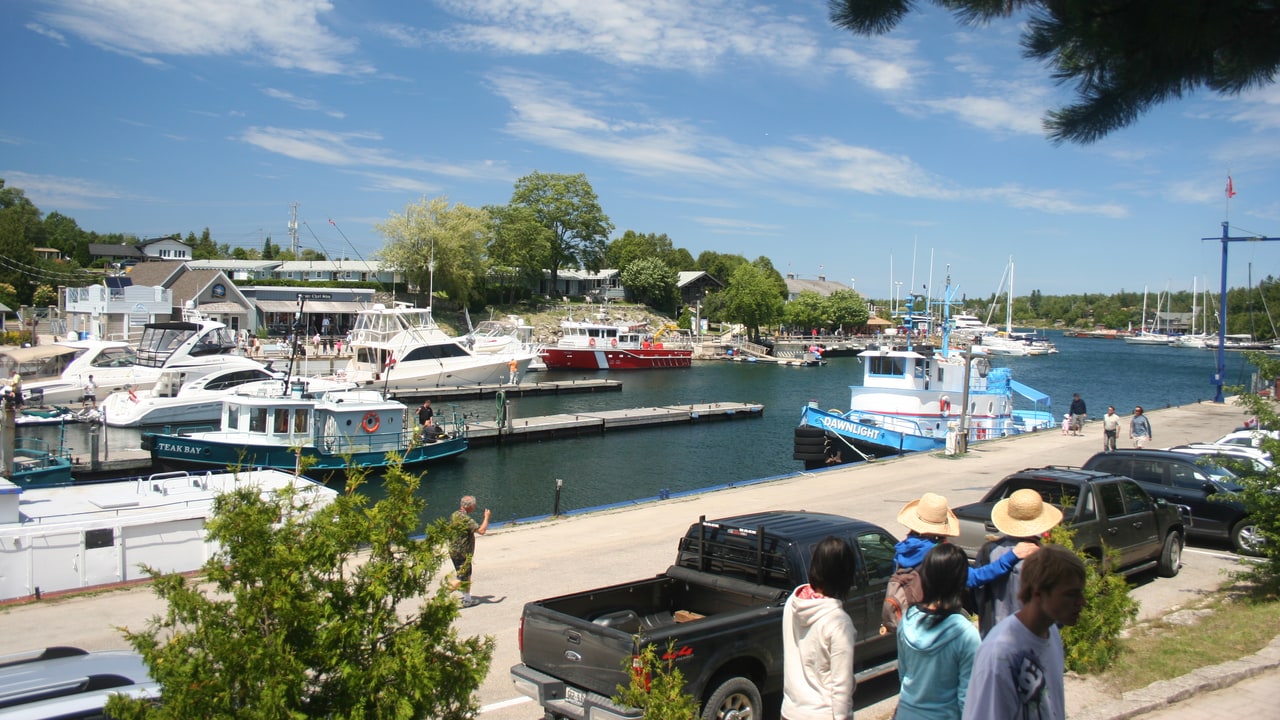
The journey takes several hours, rolling past the rolling hills of southern Ontario, through Owen Sound, and up the spine of the peninsula. Coaches usually drop passengers near downtown Tobermory or directly at the national park visitor centre area. Reserving your seat well in advance is essential because these summer runs sell out rapidly, especially over long weekends.
Beyond the dedicated express bus, regional public transit stops south of the northern peninsula. Regular year-round intercity coaches reach Owen Sound, but onward public connections to Tobermory remain sparse outside of private charter shuttles or seasonal taxi services. If you cannot align your dates with direct park coach departures, you will need to arrange private taxi connections from Wiarton or Owen Sound, which quickly becomes expensive.
| Transit option | Route | Operating window | Luggage space |
|---|---|---|---|
| Parkbus Ontario | Toronto to Tobermory Harbour | Summer weekends and select weekdays | Standard pack and day bag allowed |
| Regional bus to Owen Sound | Toronto to Owen Sound | Year-round | Standard luggage bay |
| Chi-Cheemaun Ferry | Manitoulin Island to Tobermory | May to October | Walk-on walk-off walk luggage permitted |
For travellers arriving from Northern Ontario, the Chi-Cheemaun ferry Tobermory terminal sits right on the edge of town. Walk-on passengers board at South Baymouth on Manitoulin Island and step off directly into Little Tub Harbour. Foot passenger tickets on the ferry do not require the extensive vehicle reservations that drivers deal with, making it one of the most pleasant, stress-free ways to approach the peninsula.
Getting around the peninsula once you arrive
Tobermory itself is remarkably compact. Little Tub Harbour contains the community post office, a grocery store, restaurants, outfitters, and tour docks. Paved pedestrian paths link the village centre to the Parks Canada Visitor Centre, which sits about one kilometre away.
To travel further inland or down the coast without a vehicle, you must rely on local shuttle operators, bicycles, or your own boots.
Cycling is another option for confident riders, though Highway 6 has high-speed vehicular traffic and narrow shoulders in sections. Secondary gravel roads provide quieter riding, but limestone gravel can be hard on lightweight road tires. If you bring a bicycle, fit wider tires and carry a patch kit, pump, and plenty of water.
Grotto & Flowerpot Island without a car
The two primary sights on visitors' lists are the wave-carved Grotto sea cave and the limestone sea stacks of Flowerpot Island. Both feature on lists of top Bruce Peninsula things to do, and both can be accessed without a personal vehicle if you plan your connections.
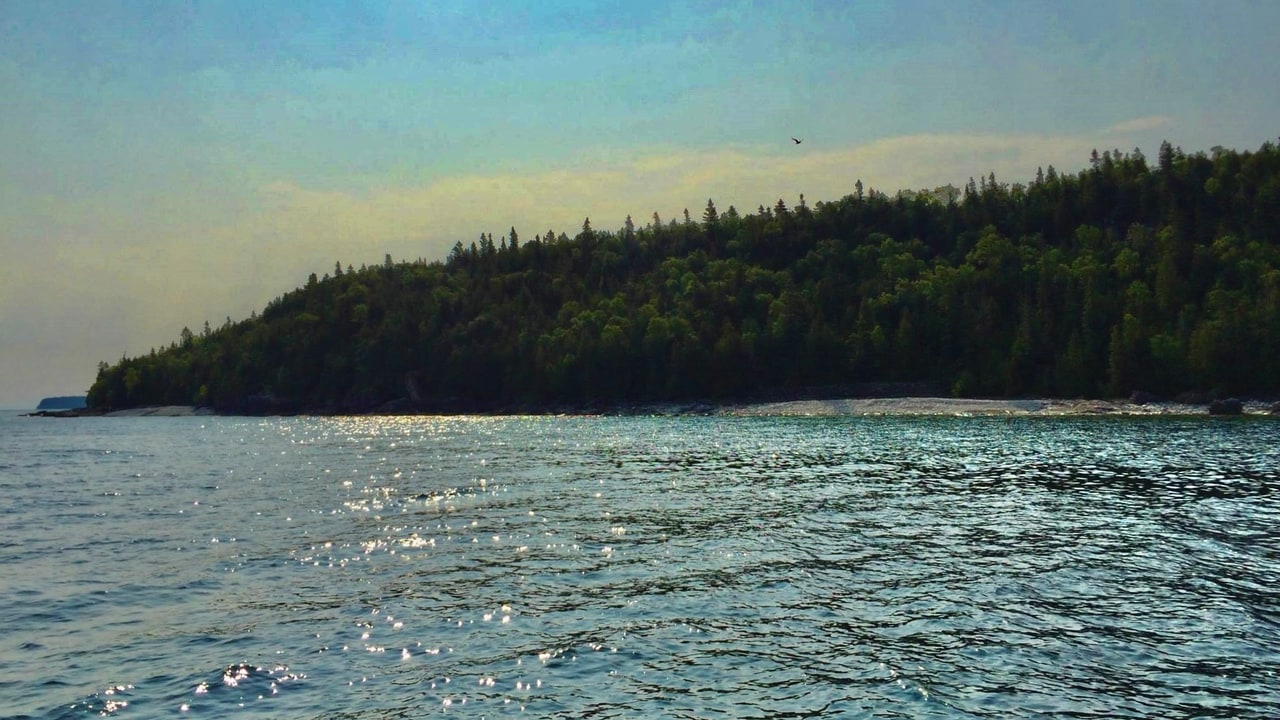
Visiting Flowerpot Island is entirely car-free by nature. You walk straight from your accommodation to the dock, board as a foot passenger, and cruise through Fathom Five National Marine Park. The boat passes historic light stations and underwater shipwrecks before docking at Beachy Cove on the island.
On Flowerpot Island, well-marked hiking trails link the docks to the famous limestone pillars, historic lightkeeper's cottage, and sea caves. Footpaths can be uneven and rocky, requiring sturdy walking shoes with ankle support rather than slip-on sandals. Pack out every scrap of rubbish you produce, as the island operates on a zero-waste policy with minimal visitor infrastructure.
Reaching the Grotto without a car requires different tactics. It sits inside Bruce Peninsula National Park at Cyprus Lake, roughly fifteen kilometres south of Tobermory by road. Drivers face stringent timed-parking bookings, but walkers entering on foot or using a drop-off shuttle bypass the vehicle parking gridlock. You can arrange a morning drop-off with a registered local shuttle operator at Cyprus Lake, hike the trail to the cliff edge, and arrange an afternoon pick-up time.
Alternatively, ambitious long-distance walkers can reach the Grotto via the Bruce Trail directly from Tobermory. This stretch is rugged, rocky, and covers over twenty kilometres of challenging escarpment terrain. It requires high physical fitness, early starts, and reliable trail navigation. Do not attempt to walk along the shoulder of Highway 6 to reach Cyprus Lake; it is dangerous, exposed to the sun, and unpleasant.
Where to stay: walkable eco stays
When you do not have a car, choosing accommodation in the right spot makes or breaks your trip. You want a base within easy walking distance of the harbour, docks, grocery market, and bus drop-off points.
Staying directly in Little Tub Harbour puts you next to tour departures, cafes, and bakeries. Several traditional inns, bed and breakfasts, and boutique motels line the water. Because these rooms are central, they fill up months ahead for July and August weekends. Staying here means you never have to worry about catching a ride after dinner.
For those seeking outdoor immersion, Bruce Peninsula cabins and glamping options are dotted throughout the surrounding woods and along Georgian Bay. If you pick a cabin or glamping site, check its exact distance from the harbour. Anything more than two kilometres outside the town centre requires either a bicycle, daily private taxi rides, or long road walks with heavy gear.
Look for eco-certified cottages or lodgings that participate in local biosphere reserve programs. These properties often feature rainwater collection, composting setups, and lower energy footprints, matching the values of low-carbon exploration.
Sample 3-day car-free itinerary
This three-day itinerary assumes a weekend departure from Toronto, resting your feet on transit while leaving plenty of time for trail exploration.
Day 1
Northbound transit and harbour walk
Board the morning coach from Toronto and watch the city give way to open fields, escarpment ridges, and cedar bush. Step off the bus in downtown Tobermory by early afternoon. Walk to your accommodation, drop your bags, and wander down to Little Tub Harbour. Pick up trail snacks and supplies at the local grocery store. In the late afternoon, follow the quiet paved side paths to the Parks Canada Visitor Centre. Climb the observation tower for a panoramic view over the canopy toward Georgian Bay and the islands of Fathom Five. Have dinner near the water and watch the evening ferry pull into the slip.
Day 2
Flowerpot Island and shoreline trails
Walk to the harbour docks after breakfast and board an early morning passenger boat to Flowerpot Island. Enjoy the breeze from the open deck as the boat drifts over shallow shipwrecks visible in the clear water. Land on the island before the midday crowds arrive. Catch the return boat to the mainland in the early afternoon. Use the remaining daylight to walk the northern terminus of the Bruce Trail, marked by a cairn near the harbour edge, exploring the nearby rocky shoreline before an early evening meal.
Day 3
Escarpment hikes and southbound return
Arrange an early morning local shuttle down to the national park trail network at Cyprus Lake or a nearby designated access point. Spend your morning hiking along the white limestone cliffs above Georgian Bay, looking down into turquoise coves. Take your time navigating the root-strewn paths, carrying sufficient water and a packed lunch. Meet your pre-arranged shuttle back to Tobermory Harbour by early afternoon. Collect your stored luggage, grab an afternoon coffee, and board the return coach back to Toronto, arriving in the city by mid-evening.
Exploring the northern Bruce Peninsula on foot frees you from the stress of parking reservations and returns your attention to the rhythm of the ferry, the footpath, and the open water.
Key takeaways
- Parkbus provides direct, car-free transit between downtown Toronto and Tobermory during the summer.
- The town centre, grocery store, and island cruise docks are compact and walkable.
- Flowerpot Island requires no personal vehicle because all visitor access is by passenger boat.
- Reaching the Grotto requires pre-booking a private local trail shuttle or hiking the rugged Bruce Trail.
- Staying within walking distance of Little Tub Harbour eliminates the need for expensive daily taxi rides.
Before you go
Visiting the tip of the Bruce Peninsula without a car requires deliberate scheduling, but it rewards you with an unhurried, grounded experience of one of Ontario's most fragile coastal landscapes. By combining shared highway coaches, foot ferries, and coastal paths, you see the water and the rock cliffs without spending your weekend circling for a parking space.
Questions travellers ask
Can you get to Tobermory on public transit all year round?
Outside these months, intercity buses terminate in Owen Sound, leaving travellers to arrange private car hires or local taxi connections to reach Tobermory.
Is Tobermory walkable once you arrive?
The town centre around Little Tub Harbour is very walkable, with grocery stores, docks, and inns located within a short stroll. Reaching inland trailheads or national park parking areas outside town requires using local shuttle operators or cycling.
Do I need a parking reservation for the Grotto if I take a shuttle?
No, national park parking permits apply to vehicles parked in designated lots.
How do I get to Flowerpot Island without a vehicle?
All visitors travel to Flowerpot Island by boat. You can walk straight from your accommodation to the cruise docks in Little Tub Harbour, purchase a passenger ticket, and take a commercial tour boat directly to the island's dock.